The rapid adoption of AI coding agents is changing what it means to be a software engineer, but it is also creating concerns about the quality of the enormous amount of code these systems can generate.
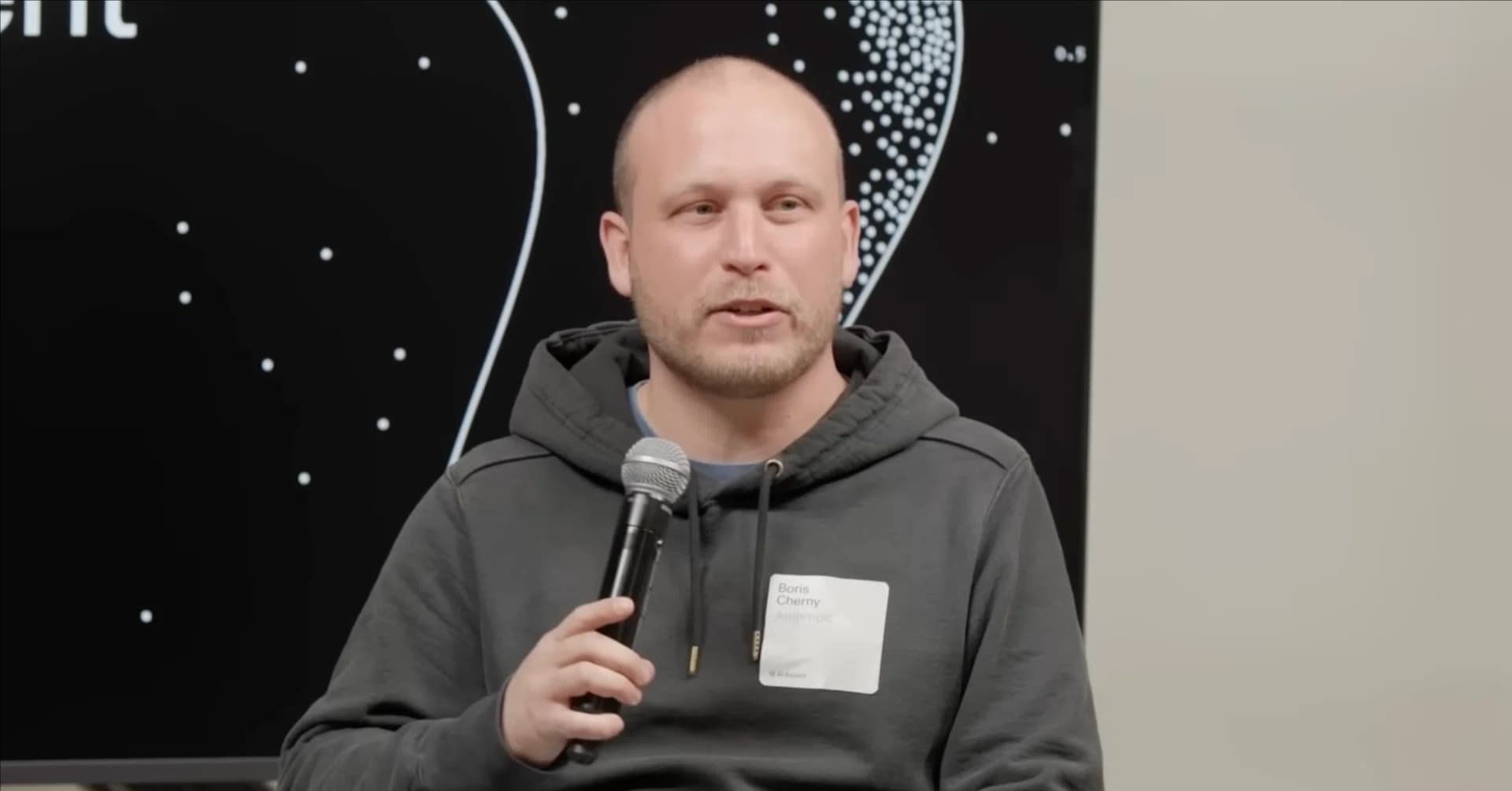
Boris Cherny, the creator of Claude Code at Anthropic, recently addressed those concerns after receiving an email from a developer questioning how engineering teams should deal with what has become known as "AI slop."
Cherny shared the exchange publicly, saying he regularly receives messages from developers trying to understand how they should adapt to AI's growing role in software development.
The developer described two competing approaches. One treats AI as an accelerator while maintaining traditional engineering expectations, meaning generated code should remain understandable, reviewable and maintainable. The other takes a more relaxed approach associated with vibe coding, where developers concentrate primarily on whether the software works rather than understanding everything happening underneath.
Cherny believes there is room for both approaches.
For prototypes and disposable projects where the consequences of failure are limited, he argued that developers do not necessarily need to scrutinise every piece of generated code. The situation changes significantly when AI-generated software is intended for production.
Cherny said production code generated by Claude should actually face a higher quality standard than human-written code. At Anthropic, that includes extensive testing, linting, automated code reviews, security reviews, automated refactoring, end-to-end testing and AI-powered fuzz testing designed to identify problems before software reaches users.
His argument highlights an important shift in the developer's role. As AI agents become capable of writing increasingly large portions of applications, engineers may spend less time manually producing code and more time supervising systems that produce it.
That does not eliminate responsibility. Cherny said developers must continue to "hold the bar on code quality," effectively becoming managers responsible for deciding which AI-generated work is acceptable.
The concern is becoming increasingly important as tools such as Claude Code move beyond autocomplete. Modern coding agents can inspect repositories, modify multiple files, execute commands, run tests and independently complete increasingly complicated engineering tasks.
This creates enormous productivity potential, but also makes it possible to generate technical debt at unprecedented speed if developers accept output without sufficient testing or oversight.
Cherny's response suggests that the solution to AI slop may not be avoiding AI-generated code altogether. Instead, software teams will need stronger automated testing, review systems and engineering standards capable of keeping pace with how quickly AI can now produce software.
The future developer may consequently write fewer individual lines of code. Their responsibility for ensuring that the finished software is reliable, secure and maintainable, however, could become even greater.